


The Cushing Center » Explore the Collections » On Exhibition
On Exhibition
Explore the exhibition in the Cushing Center following these descriptions, beginning with the first case at the bottom of the ramp on your left, and wrapping around towards the emergency exit door.
Celebrating 10 Years of the Cushing Center
Exhibition curated by Terry Dagradi and Deborah Streahle
The Medical Library celebrates the first decade of the Cushing Center with a special exhibition leading up the its anniversary.
Throughout his career as a groundbreaking neurosurgeon, Dr. Cushing took detailed notes on what patients told him about their serious, often mysterious ailments. He had patients sit for diagnostic photos and sketches, and he followed up with them for years after treating them. With precision, he removed and preserved their tumors and, after they died, their brains. These materials became the Cushing Brain Tumor Registry, a vast collection that medical students and scholars traveled to study until the materials fell out of use in the 1970s.
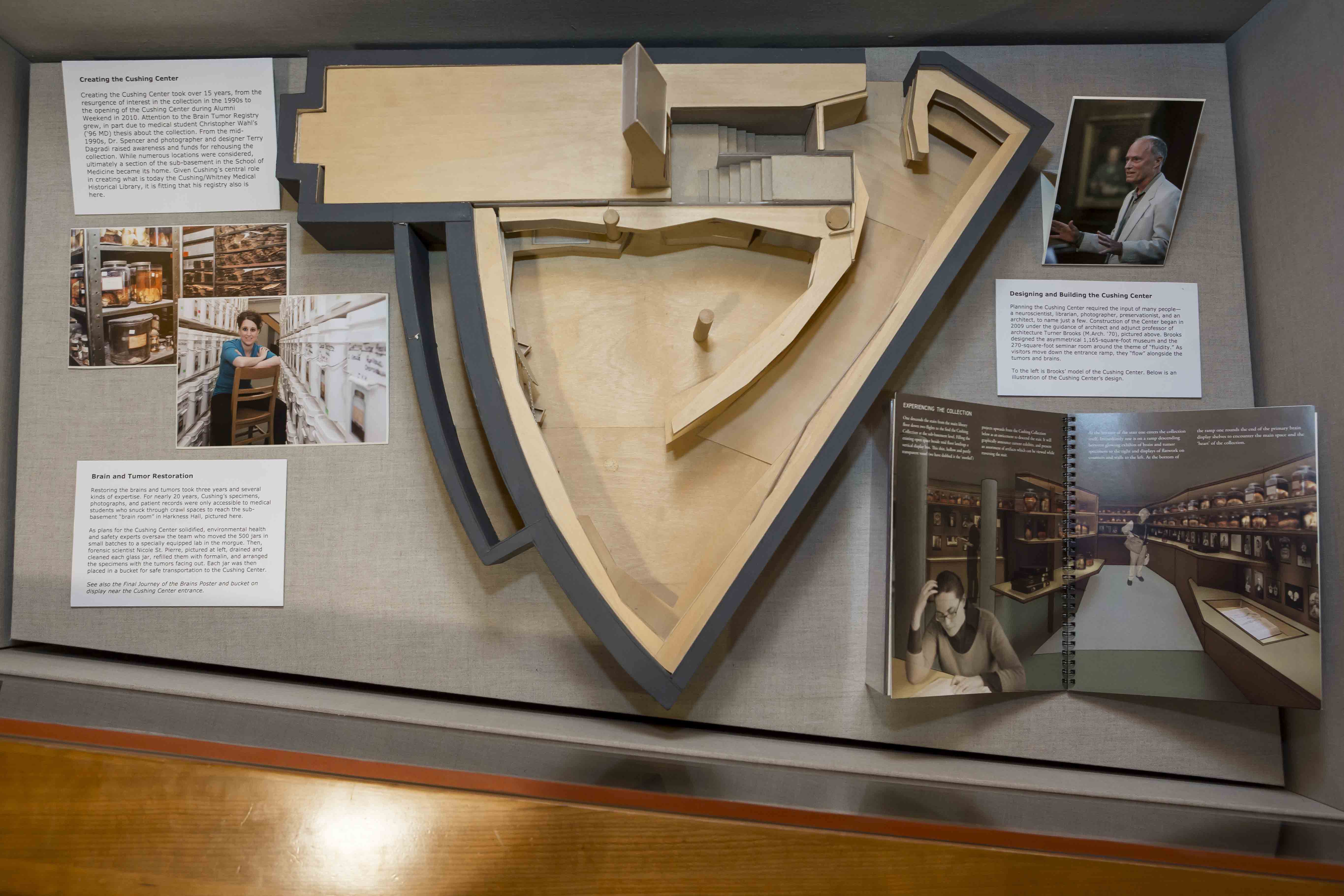
Creating the Cushing Center took over 15 years, from the resurgence of interest in the collection in the 1990s to the opening of the Cushing Center during Alumni Weekend in June 2010. While the collection was originally assembled to educate the medical elite, the Cushing Center opens the Brain Tumor Registry to the public from which it came.
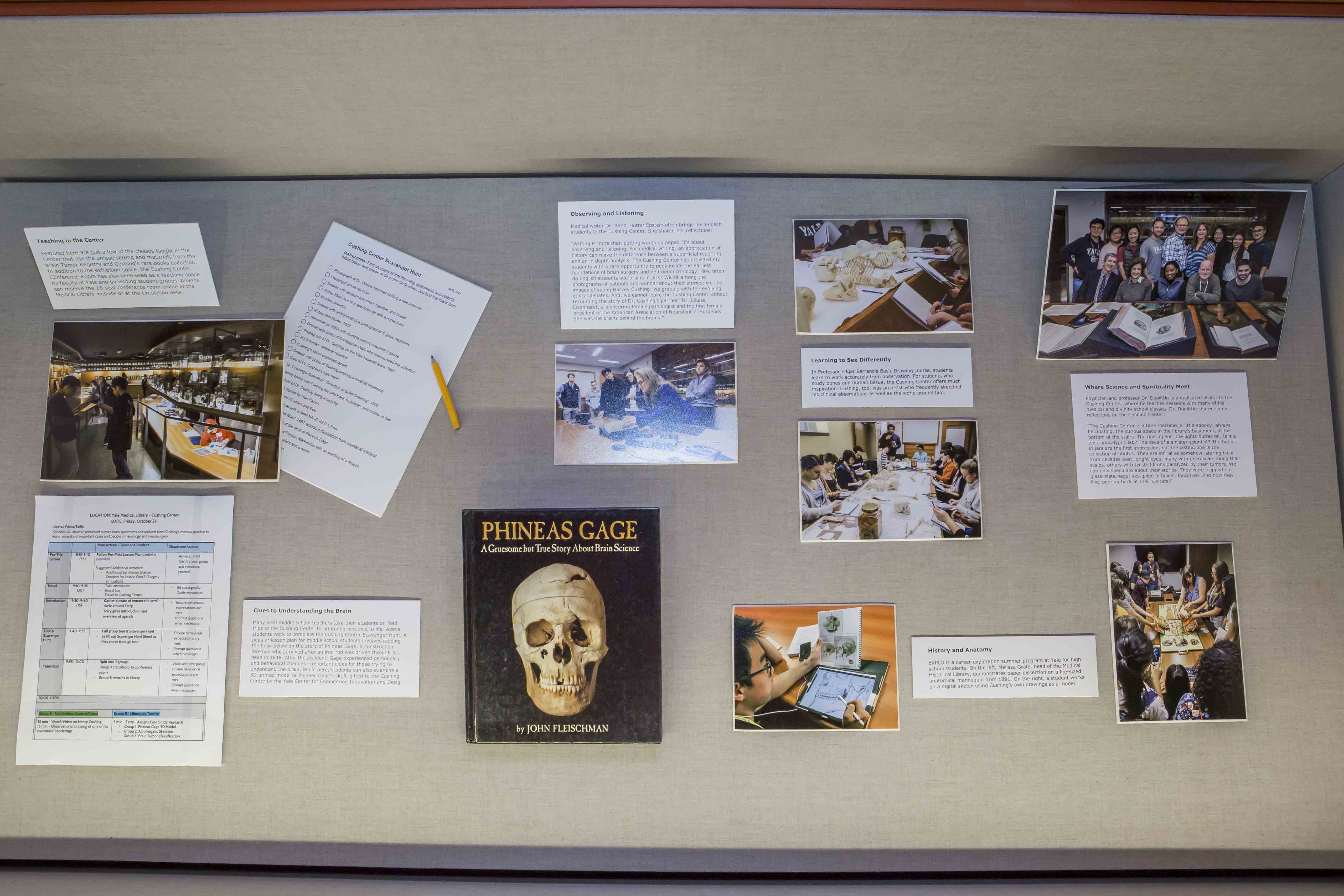
Since opening, the Cushing Center has provided a new place of honor for the materials of the Cushing Brain Tumor Registry. The Cushing Center has also hosted workshops, meetings, and classes ranging from drawing to divinity and has inspired many projects within and beyond medicine. Serving as a unique record of neurosurgery’s early days, the space has generated abundant national and international media attention. And, as a poignant reminder of the people whose lives depended on Cushing’s expertise, the Center sparks important conversations about the ethics of collecting and displaying human tissue.
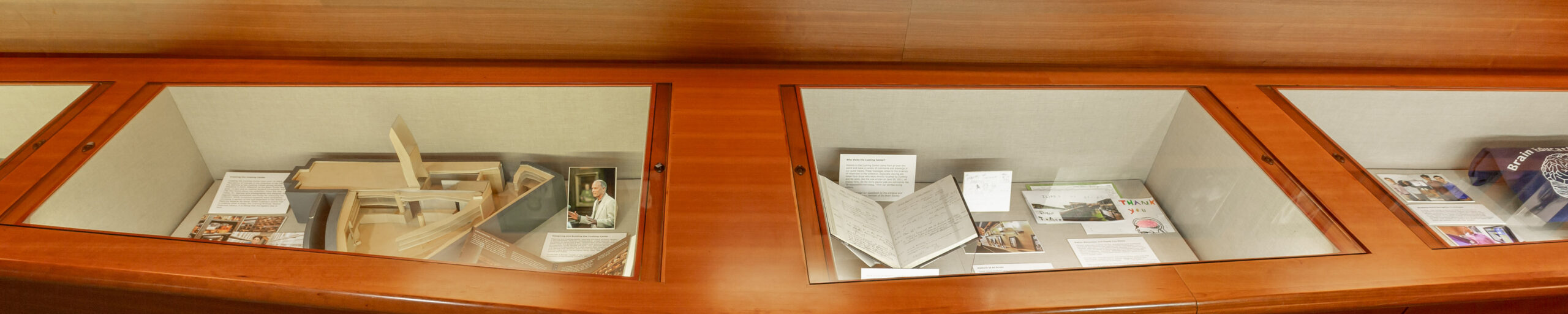
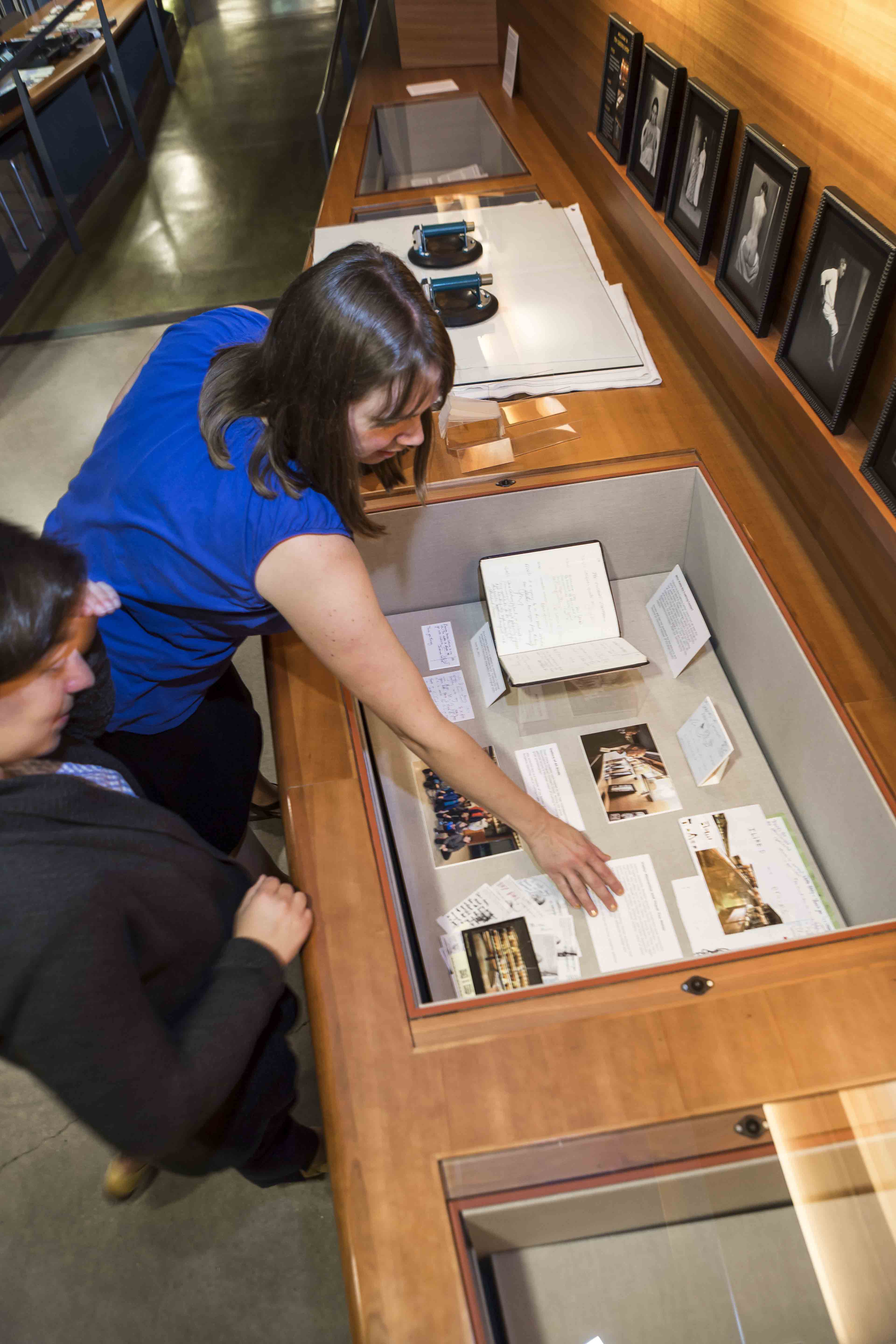
Featured in the anniversary exhibition are materials that tell the story of the Cushing Center’s first decade. If you visit, consider the next decade of the Cushing Center and share your ideas, reflections, and suggestions online and on the bulletin board near the entrance.




Cushing Memorabilia
Diaries, family photos, a well-used camera, baseballs are just a few of the items that you see in the memorabilia cases.
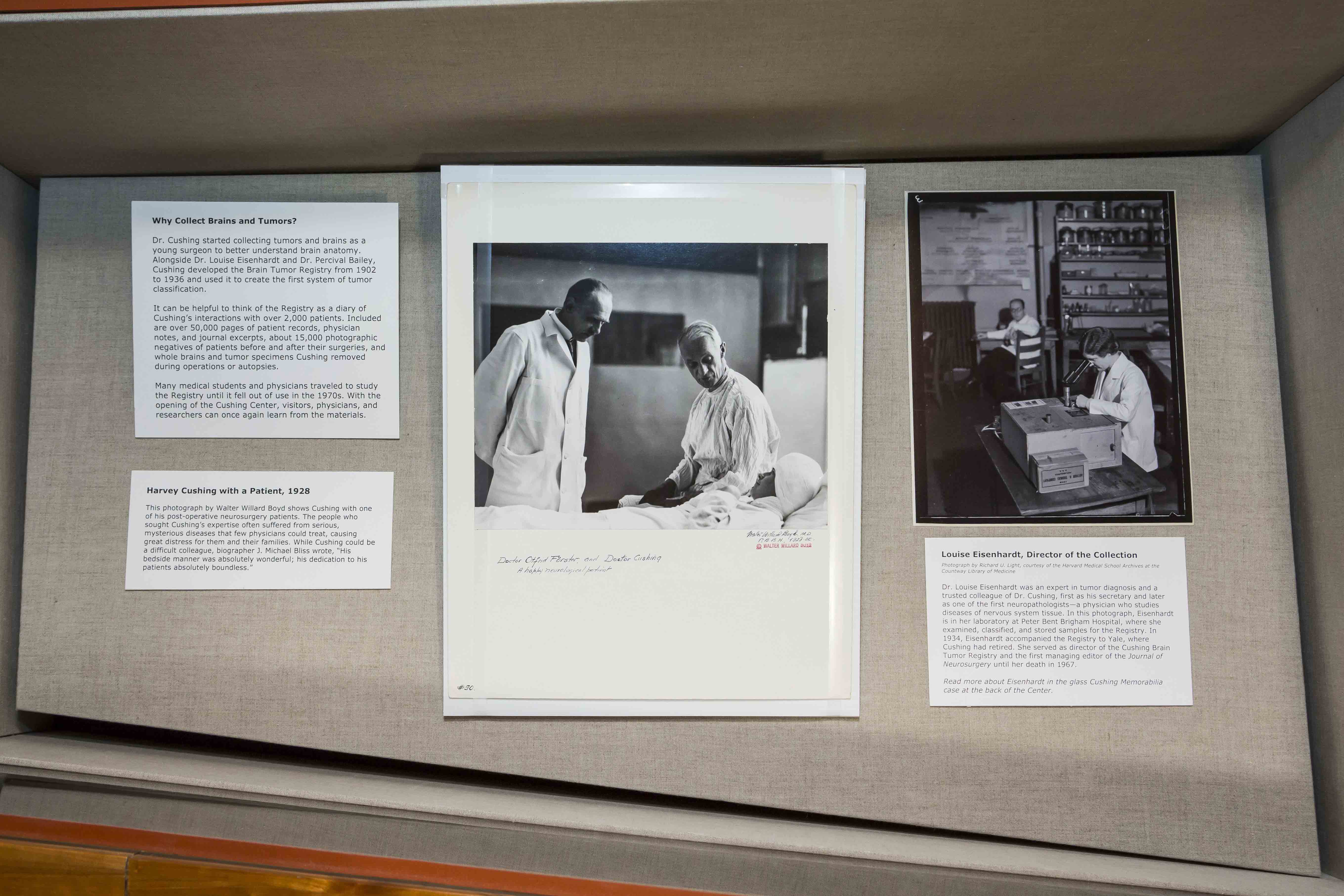
A white coat, cleaned and pressed, next to a bronze of his right hand, gives a sense of Cushing’s physical stature. Some items from his office – a nameplate, the Cushing Medallion commemorating his retirement from Harvard in 1932 – are displayed next to a picture of Cushing doing a back flip during his undergraduate days at Yale.
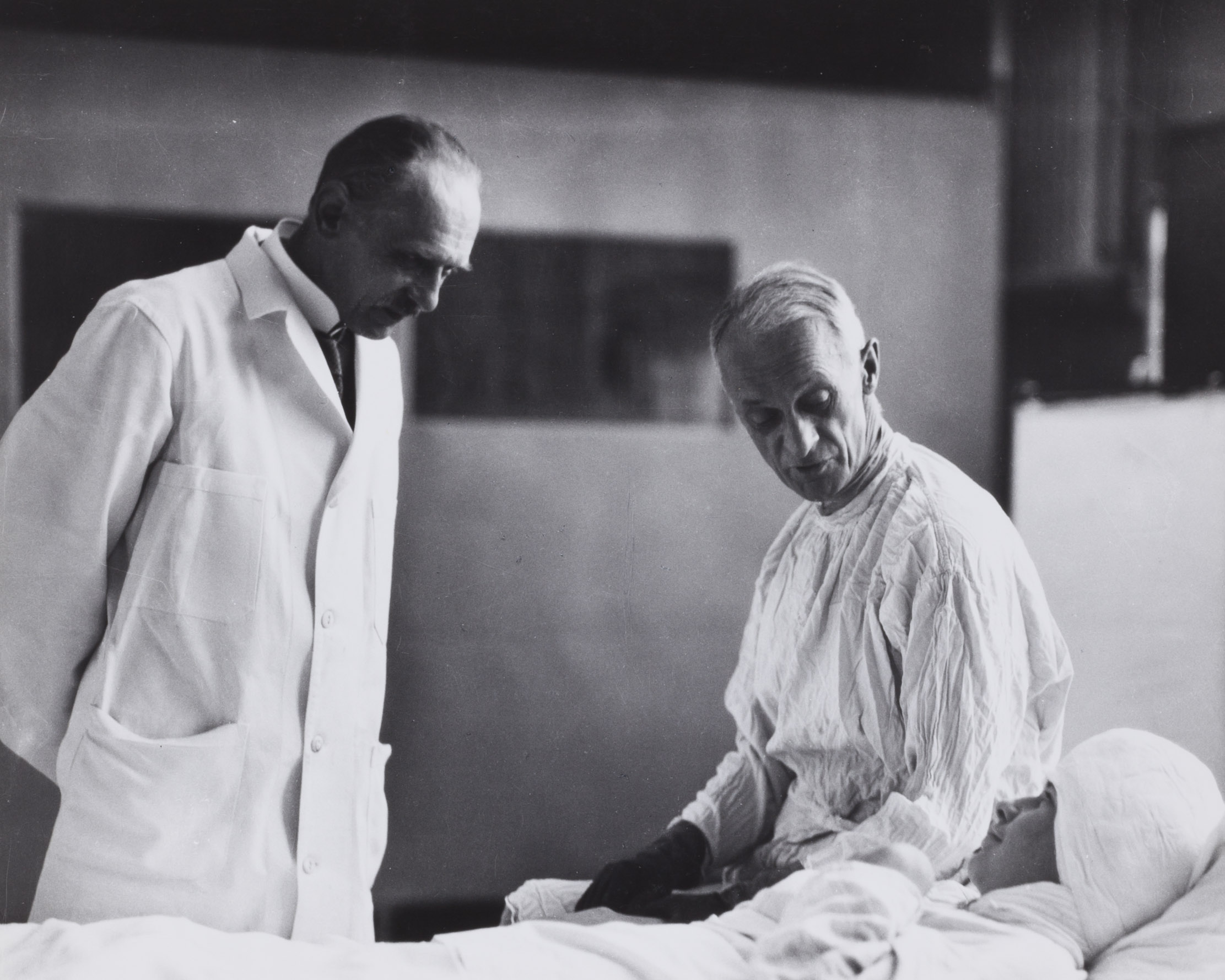
A photograph of Harvey Cushing and Ivan Petrovich Pavlov and a specimen jar sit on a shelf. The specimen jar contains a steak “signed by Ivan Petrovich Pavlov using the Bovie instrument” and the liver was preserved in alcohol at Cushing’s request. Cushing writes “so a lobe of calf’s liver was secured from the hospital kitchen. After he tested to his own satisfaction the difference between cutting and coagulation current, Pavlov triumphantly wrote his name on the smooth surface. I asked him whether he wanted me to eat the meat in the hope of improving my conditional reflexes or whether we could keep it in the museum…”
Below the jar are some samples of the famous “black book.” This “confounded black book” ferociously guarded by Dr. Louise Eisenhardt, recorded all his surgeries. His final report on 2,000 verified brain tumors carried a mortality rate of 11.8%.